
Why Do Art Fairs Matter?
Most encounters with art now begin through a screen. We discover artists through social media, exhibitions are shared through photographs and collections can be explored from almost anywhere in the world. This access has transformed the way art circulates, introducing artists to audiences they might never otherwise reach.
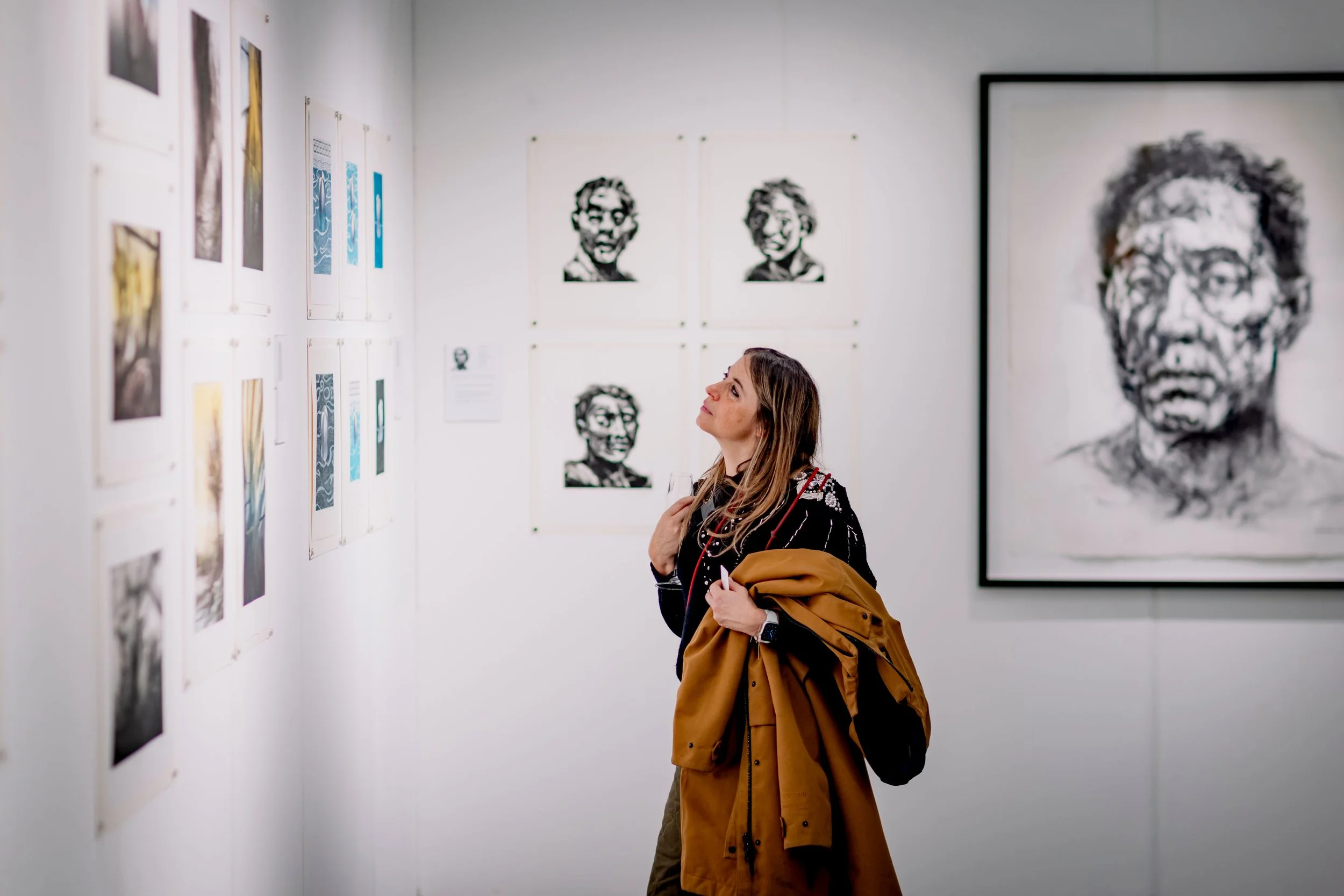
Digital access helps us find art, but seeing it in person can help us understand it.
An image on a screen can communicate subject, colour and composition, but as the image is digitally flattened, it cannot fully convey scale, surface or material intricacies. How an artwork’s colours shift in changing light, or how our response develops, can only be experienced the longer we spend time with it. A work that seemed quiet online may in fact command a room. Something initially overlooked might just draw us back for another look.
This is particularly true of print. The depth of an embossed surface, the edge of a plate mark, the saturation of ink or the delicacy of a hand-finished detail can disappear almost entirely when photographed and published digitally online. The texture of the paper, for instance, is part of the work itself. To encounter a print in person is to see not only the image, but the decisions and physical actions through which it was made.
Art fairs offer the opportunity to make these discoveries across a remarkable breadth of work, brought together for a few concentrated days. Yet their importance extends beyond what is displayed on the walls.
Around every artwork sits a network of artists, printers, publishers, curators, gallerists, institutions and collectors. A thoughtfully made fair draws these communities together into one shared space. At Imprint, engagement extends even further - visitors are able to ask how a work was made, why an artist chose a particular process or how an edition came into being. They can compare different approaches, encounter new practices and speak directly with the people who have supported a work from studio to exhibition.
These conversations matter, particularly for those new to collecting. The art world can sometimes appear guarded by specialist language, private networks or the assumption that a certain level of knowledge is required before entering. A good fair should break down those barriers and give visitors the freedom to explore at their own pace, which is something we have endeavoured to make possible at Imprint.
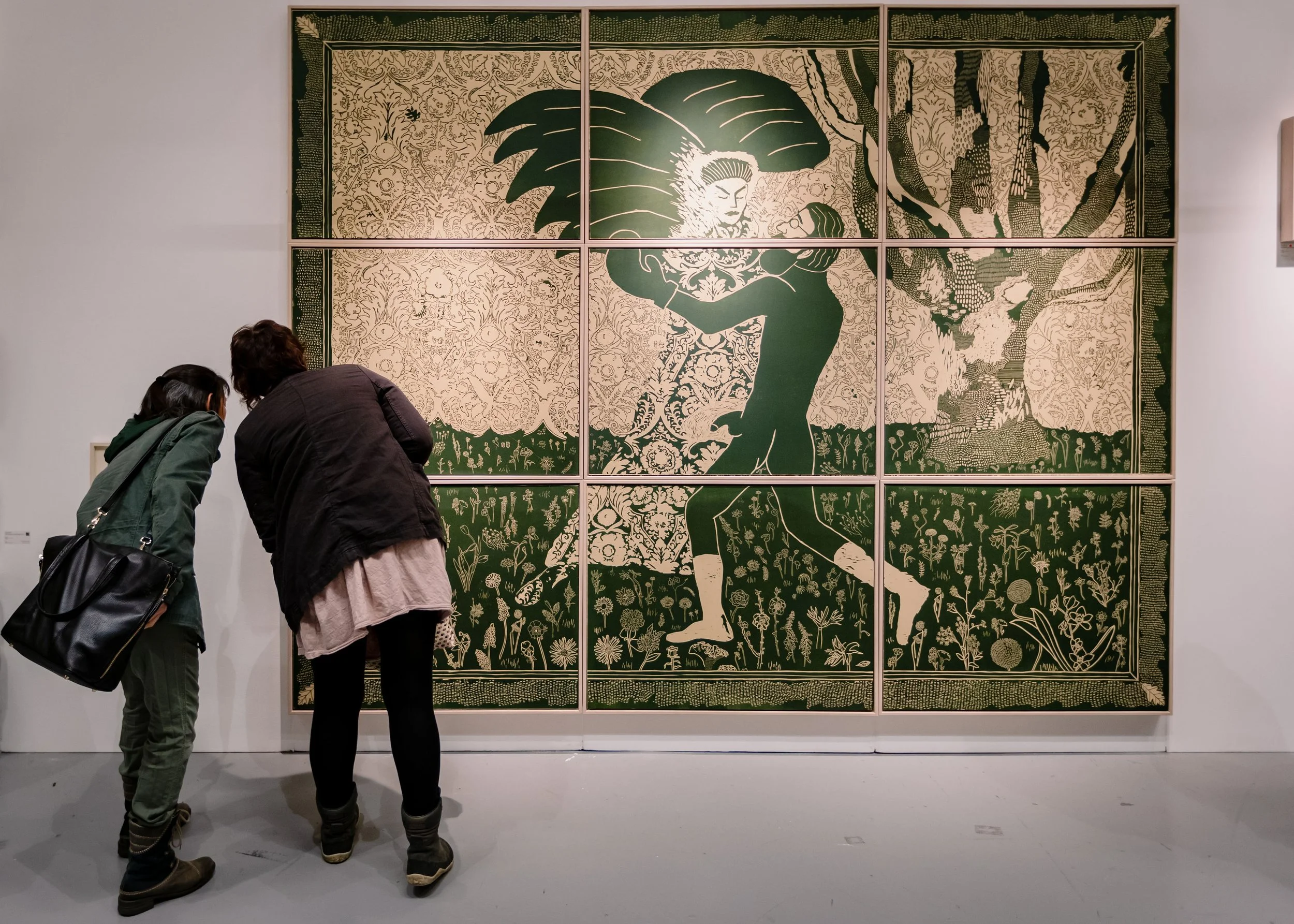
Its commercial purpose is also important. Acquiring a work of art is not separate from participating in its cultural life, it is one of the ways in which that ecosystem is supported. A first conversation may lead to an exhibition, commission, residency or institutional acquisition. A visitor may leave without buying anything, but with a new artist in mind to follow their progress. The outcomes of these encounters often continue long after the walls have come down.
Museums, galleries and artists’ studios each play a distinct and vital role. Museums preserve and interpret collections. Galleries offer sustained support and space for focused exhibitions. Studios reveal how ideas are tested, developed and physically made. A fair cannot replace any of them, but it can create a platform to bring these elements together, forming connections between work, process and people.
Scale alone does not does not automatically result in meaningful exchange. The strongest fairs are focused, carefully curated and designed around the visitor’s experience. They provide context without over-explaining and allow curiosity to guide the way through.
At Imprint, this belief shapes the Fair. Galleries, institutions and publishers sit alongside artists selected through the Discovery programme, while institutions, live demonstrations and conversations reveal the wider culture that surrounds the work. Print provides the starting point, but also a vehicle to discovering contemporary art more broadly.
The temporary nature of an art fair is part of its energy. Visitors arrive without knowing exactly what they will find, and the most memorable discoveries are often those they did not set out to make. In an increasingly digital world, gathering to look at art together is not an outdated ritual. It is a chance to slow down, pay attention and experience works as the physical objects they are. It reminds us that art is not simply something to scroll past or consume, but something made to be encountered, questioned, discussed and lived with.
