
HOW COLLECTORS ARE MADE
Every generation asks where the next great artists will come from. Perhaps the more urgent question is who will collect their work.
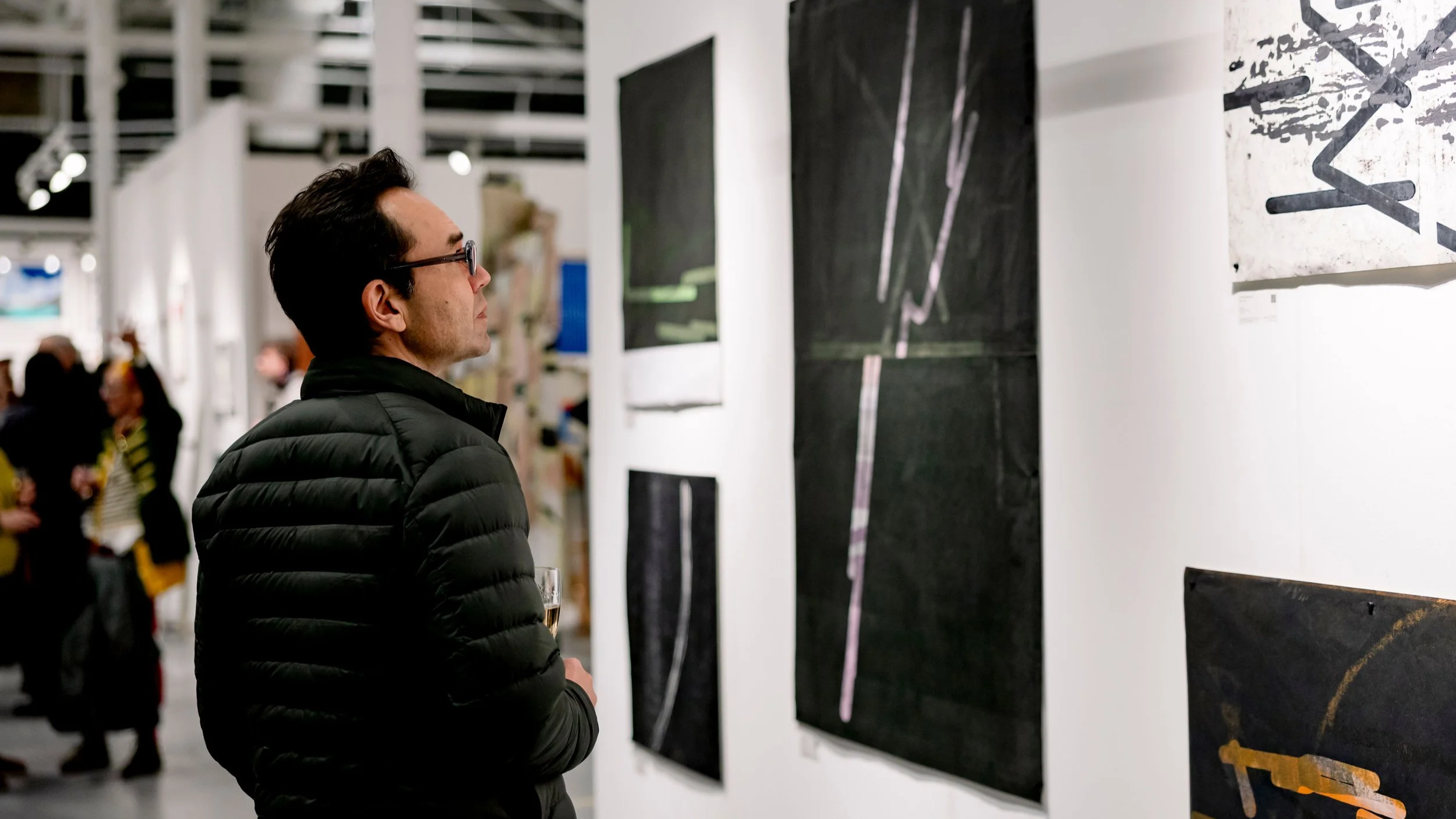
The contemporary art world invests enormous time and energy in discovering artists. Galleries nurture careers over decades. Museums champion overlooked voices. Curators, critics and prizes shape the conversations that define each generation. It is a remarkable ecosystem, built around identifying creative talent and ensuring important work reaches the audiences it deserves.
Far less attention is given to an equally important question: who will become tomorrow's collectors?
Artists and collectors do not develop independently of one another. Every significant collection begins with someone acquiring their first work, just as every artistic career begins with someone prepared to believe in it. If we want a healthy cultural landscape in ten or twenty years' time, we need to think just as carefully about cultivating collectors as we do cultivating artists.
The greatest barrier is often assumed to be affordability. Price undoubtedly plays a part, but I have come to believe, over many years observing collector journeys, that something else stands in the way: confidence.
This may seem surprising because culturally engaged audiences are everywhere. Every day people make thoughtful aesthetic decisions about the lives they want to lead. They invest in architecture, furniture, lighting, fashion, ceramics and gardens. They spend months refining interiors, choosing objects that reflect their personality and values. They visit museums when they travel, subscribe to design magazines and care deeply about the visual character of the world around them. Yet there is an interesting contradiction. After all that care and consideration, the walls are often the least considered part of the room. They remain empty, are filled with mirrors or become home to decorative images chosen because they feel safe rather than because they say something meaningful. It is not unusual to walk into a beautifully designed home where the wallpaper tells a richer story than the artwork hanging beside it, or where the family photographs reveal more personality than the pictures chosen for the walls.
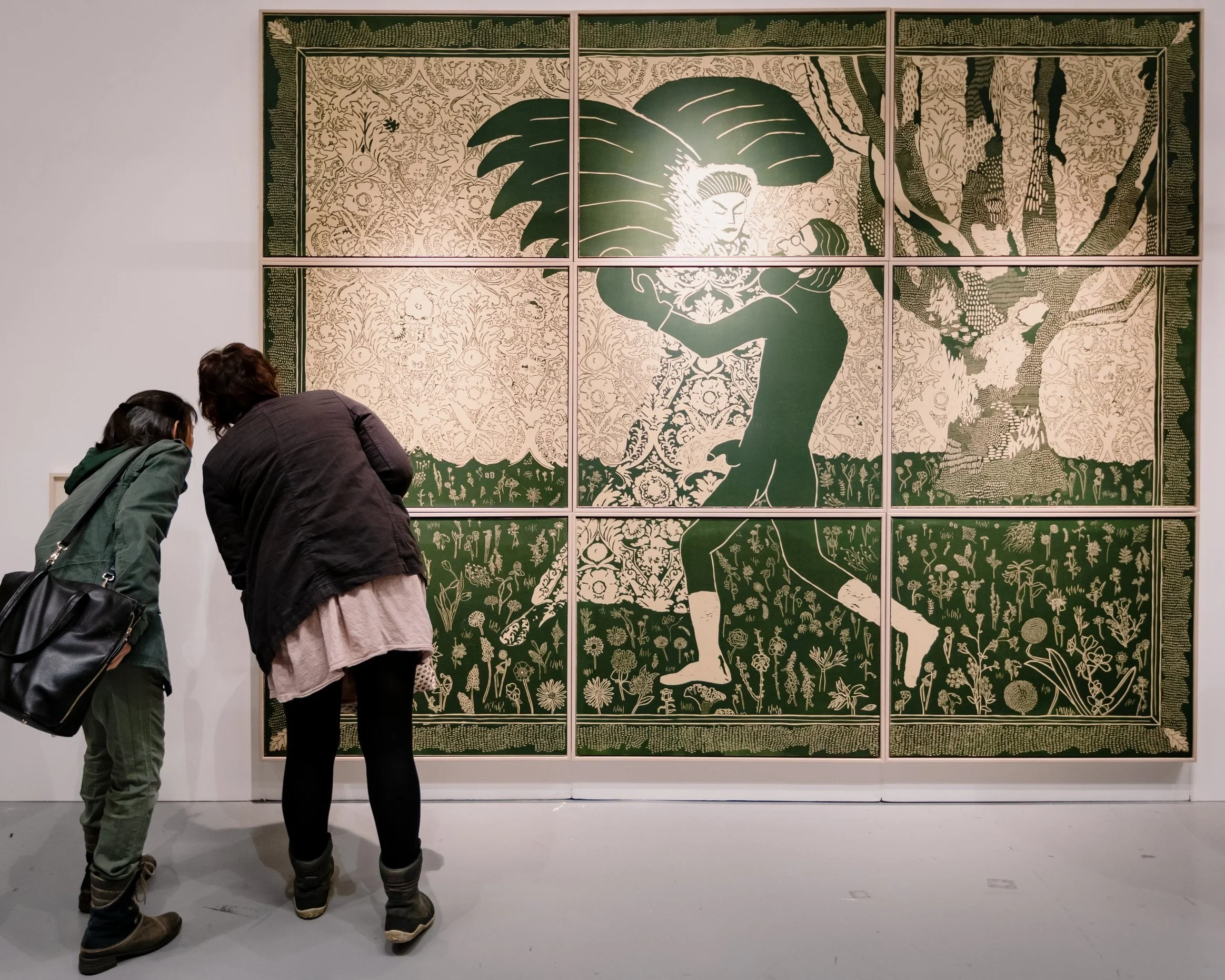
This is not a criticism of taste. Quite the opposite. It reveals just how visually engaged so many people already are. What it exposes is a hesitation that seems unique to contemporary art. People who demonstrate extraordinary confidence in every other aspect of their visual lives suddenly become uncertain when faced with the prospect of buying an original artwork. Somewhere along the way, many have come to believe that collecting belongs to people with specialist knowledge - those who already understand artists, editions, galleries and the market. The fear of making the wrong decision becomes greater than the excitement of discovering the right work.
The irony is that we rarely expect confidence to arrive fully formed in any other area of visual culture. None of us develops a personal sense of style overnight. We experiment with clothes, discover designers whose work resonates, buy pieces we later question and gradually refine our eye through experience. Our homes evolve in much the same way, room by room and object by object. Taste is developed, not inherited, yet when it comes to art we often expect our first acquisition to be our perfect one. The collections we most admire are rarely the product of flawless judgement from the outset. They are built gradually through curiosity, changing interests and a willingness to keep looking. Like the homes we create, they become expressions of who we are rather than evidence of what we know.
The challenge facing the contemporary art world is not persuading people to become visual. They already are. Every carefully considered room, favourite chair, well-thumbed photography book and treasured family photograph speaks of an instinct to surround ourselves with objects that carry meaning. We edit our homes in much the same way we edit our wardrobes or bookshelves, gradually revealing something about ourselves through the things we choose to live alongside. Original art is not separate from that instinct - it is perhaps its most personal expression. Yet this is where so many people stop, convinced that collecting belongs to someone else. The irony is that they have already developed the eye, curiosity and sensitivity required to become collectors. What they lack is not taste. It is the confidence to trust it.
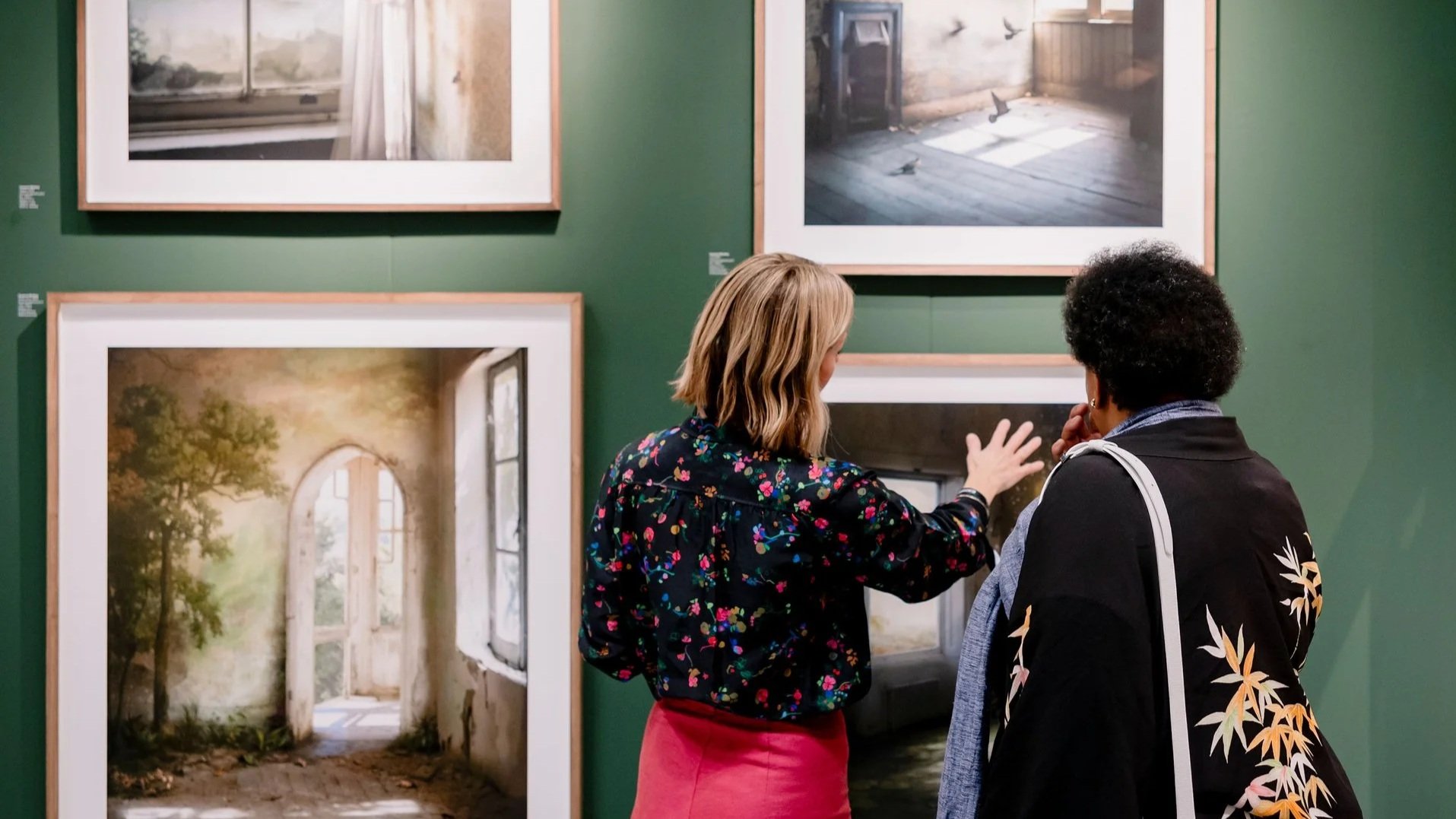
This is where print plays such an important role. Its value is not simply that it is often a more affordable original art form, although affordability undoubtedly broadens access. More importantly, print creates the conditions in which tastes can develop. It allows collectors to experiment, live with work, discover which artists continue to resonate over time and refine their eye with each acquisition. We would never expect someone to discover their personal style through a single outfit or furnish an entire home with one purchase. Confidence develops through experience. Collecting deserves exactly the same generosity. In that sense, print is more than an accessible medium. It is an education in collecting.
For centuries, print has been one of the most collaborative and outward-looking forms of artistic practice. It has connected artists, publishers and master printers in the shared ambition of bringing original works to wider audiences. It rewards curiosity as much as connoisseurship and reminds us that originality has never depended on exclusivity. Art fairs have a unique role within that tradition. Unlike the intimacy of a single gallery, they create an environment where discovery feels natural rather than intimidating. Visitors compare artists, encounter different galleries, ask questions, overhear conversations and spend time looking without feeling any expectation to buy. Somewhere between curiosity and familiarity, something changes. The question shifts from "Do I know enough?" to "Which work can I not stop thinking about?" That moment is easy to overlook, but it is often the point at which someone begins to see themselves differently - not as a visitor to the art world, but as someone who belongs within it.
This belief sits at the heart of Imprint Art Fair. Bringing together leading galleries, publishers, institutions and emerging artists, the Fair has been designed around a simple idea: that supporting artists also means supporting the audiences who will sustain their careers in the decades ahead. Not by telling people what to buy, but by giving them the confidence to discover what they love.
Every generation asks where the next great artists will come from.
Perhaps it is time we spent just as much energy asking who will collect their work.
The answer may be closer than we think.
