
 Image 1 of 1
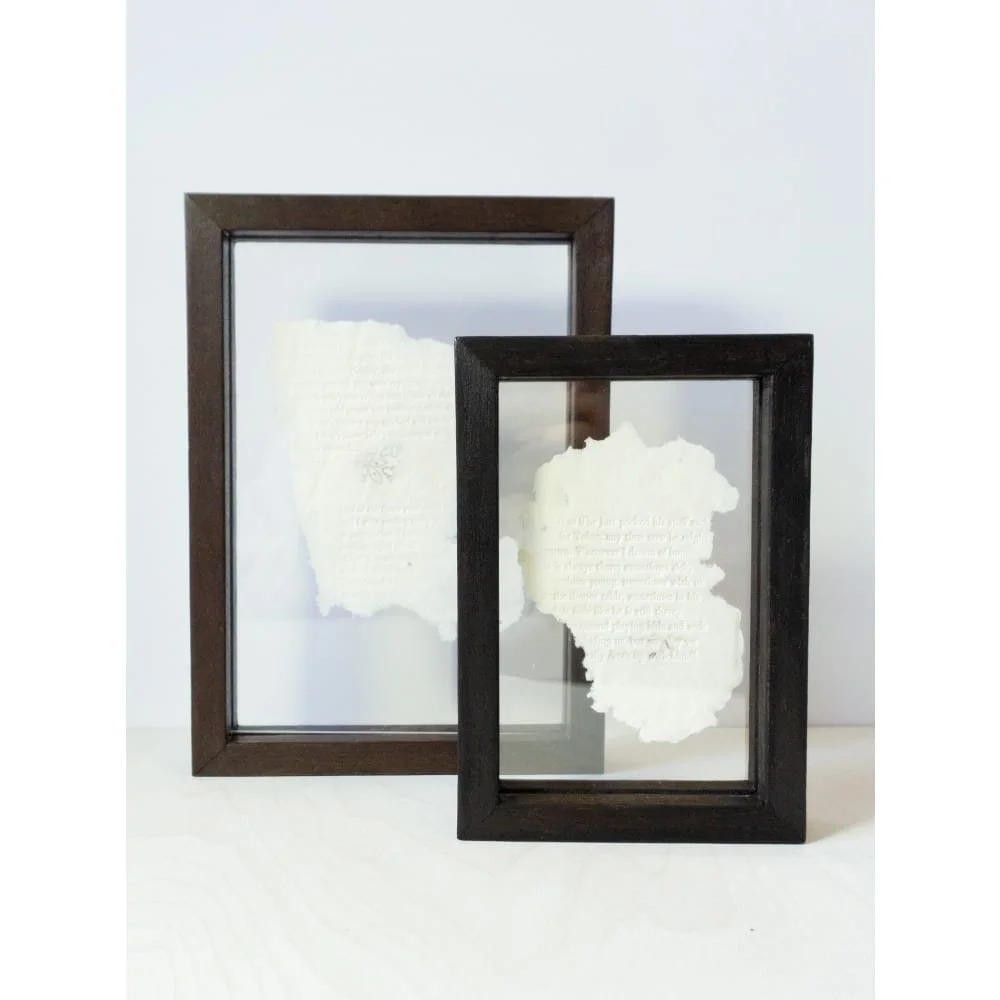
Letterpress (Embossing)
Media Dimensions: 23 x 24 x 6 cm
Image Dimensions: 8 x 14 cm
Unique work
Simge Güçlü's practice examines printmaking as a form of material memory. Working across print, paper, installation, and artist books, she explores how repetition, fragmentation, and trace operate as carriers of personal and collective histories. Using both traditional and experimental print processes, Güçlü treats the printed impression as evidence of contact, an index of actions that have already disappeared. Architectural motifs, ornamental systems, and inherited visual languages recur throughout her work, where patterns are disrupted through acts of removal, interruption, and accumulation. These gestures foreground the relationship between memory and loss, revealing how cultural identities are continually reshaped through transmission, absence, and transformation. Rather than presenting fixed narratives, her works create spaces where material processes and historical experience converge, allowing overlooked histories and forms of care to surface through the language of print.