The Ones to Watch
Spotlight on emerging talent redefining contemporary printmaking. These rising artists bring fresh perspectives, innovative techniques, and fearless experimentation to the fore.
Booth …
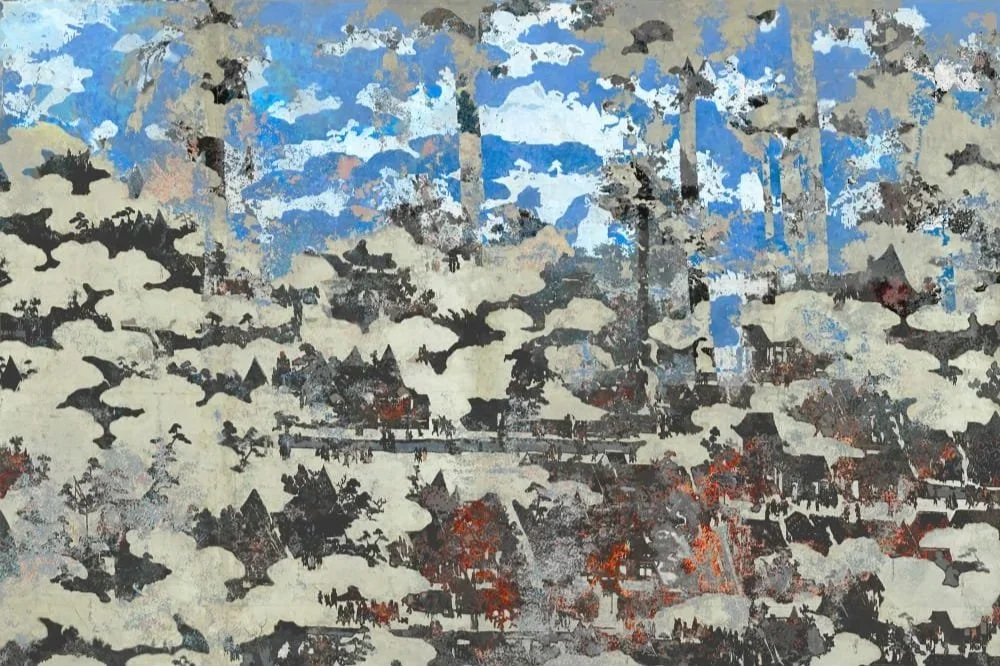
Jozef Michalski | An Atlas, 2026
Jozef Michalski is a London-based artist working across painting, print, photography, digital image and sculpture. His practice examines how landscape, memory and material surface are transformed by technological systems, image circulation and environmental pressure. His ongoing series ATLAS develops what he describes as Fake Painting: works that begin through photographic capture, scanning, digital processing, data corruption and image translation, before being materially returned through archival pigment, prepared surfaces and resin-based media.
Booth …
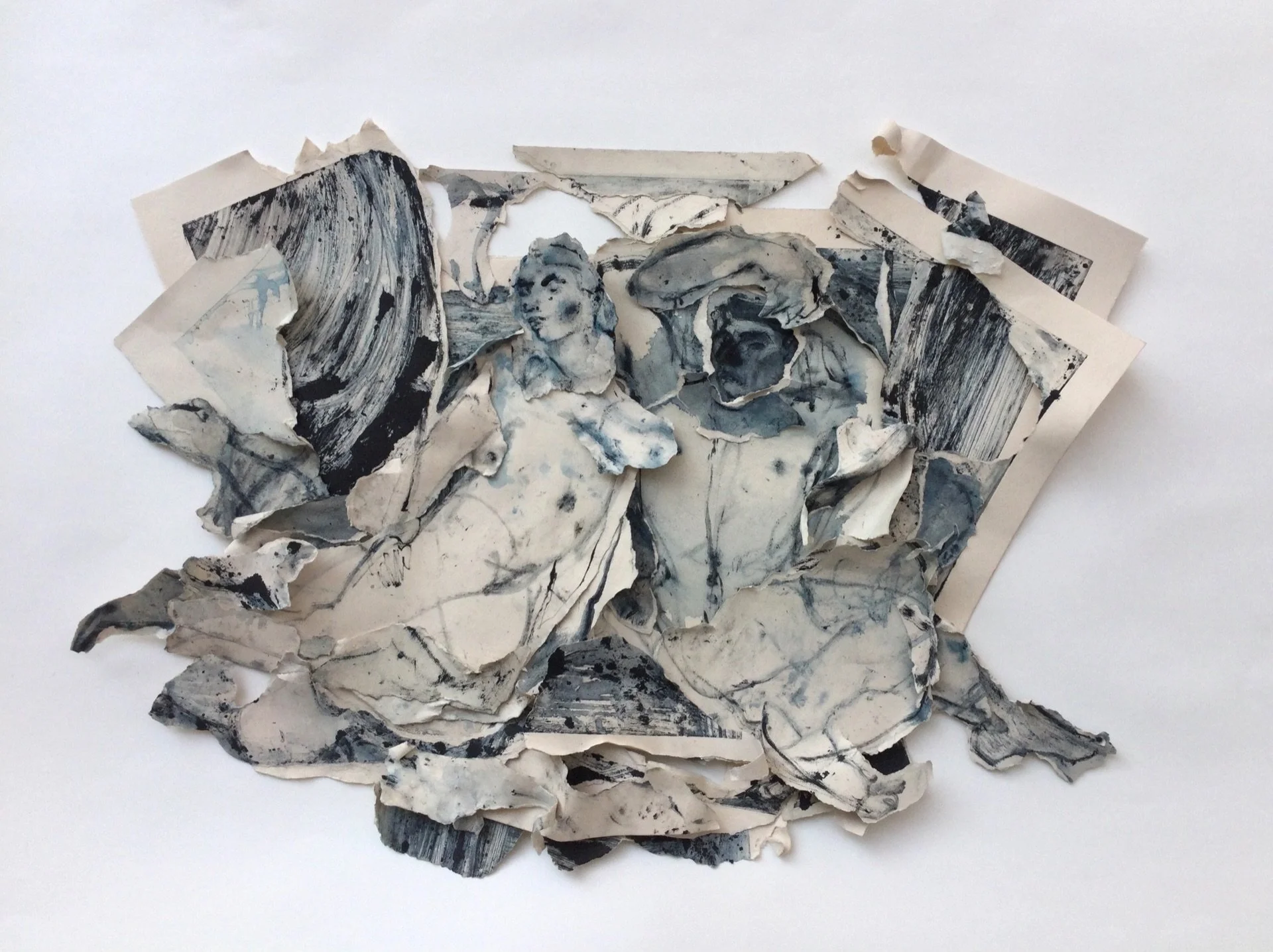
Rae Birch Carter | Couple 11, 2026
Rae Birch Carter mainly works on paper, exploring and reflecting on screen-based culture in a playful and instinctive way. She often contrasts the slickness of online spaces with the roughness of unpredictable monotype printing and torn collage, investigating the pressures, voyeuristic pleasures, and isolation that accompany contemporary life. Her work addresses the aspirational images that bombard us and those we produce ourselves: watching a pool party from which we’re excluded, therapy confessions, the messy relationships of reality television unfolding before our eyes.
Booth …
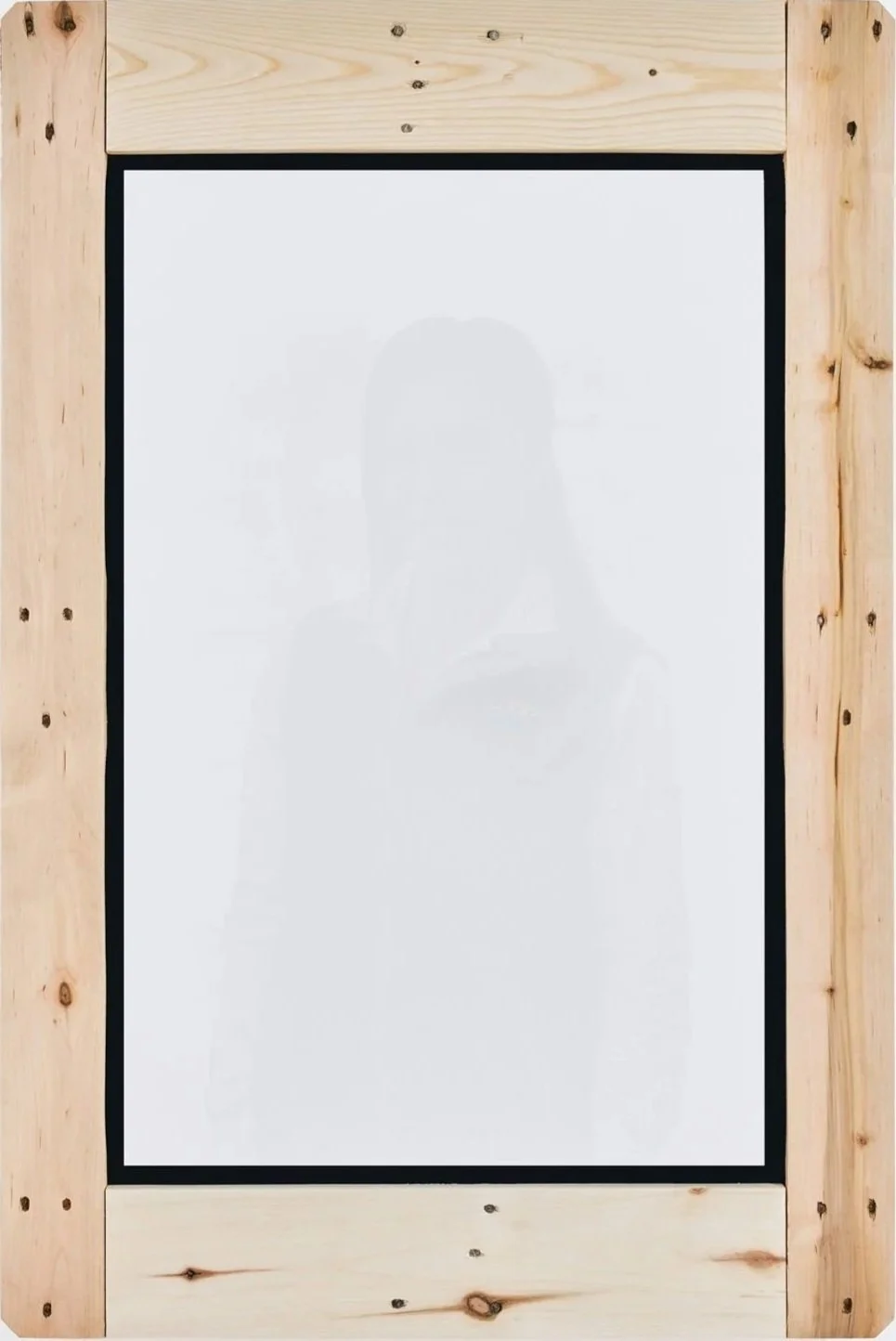
Lucien Giorgis | Jusufi, From the series Hypermarkt, 2026
Lucien Giorgis (2001, CH) is a visual artist who lives and works in London. His work examines the photographic medium, both in its materiality and in its critical potential. Through a process of displacement and transformation, the image is extended beyond itself, opening up a field of reflection that gradually expands and takes on forms that exceed its strict frame. The themes he addresses most often stem from personal experiences, which he shifts towards broader questions relating to social norms, identity constructions and the ways in which individuals are shaped by social expectations. He is particularly interested in mechanisms of control, projection and normalisation, as well as the tension between the visible and the latent.
Booth …
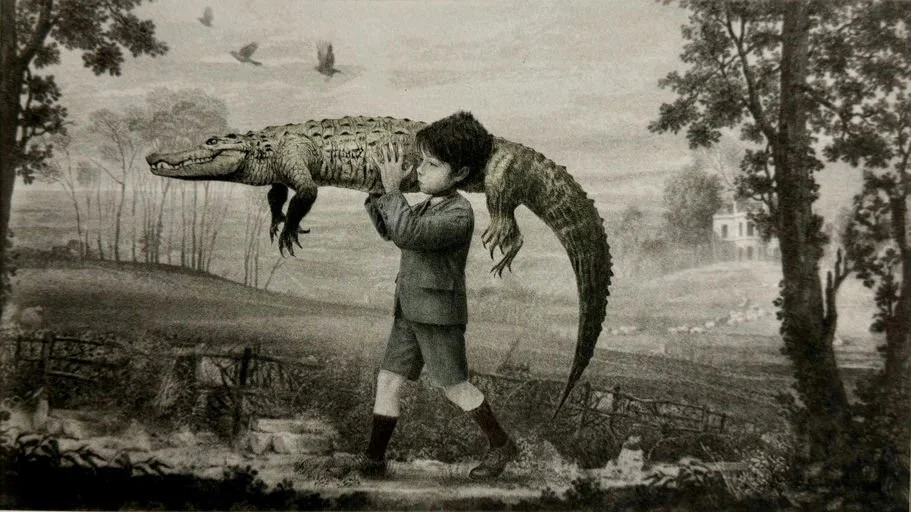
C. Alan | Make it Snappy
C. Alan is a British artist and printmaker. His practice fuses traditional etching, meticulous drawing and carefully constructed colour with a contemporary interest in satire, idiom and the absurd. Drawing on the graphic lineage of Goya, Hogarth and Gillray, Alan probes how familiar phrases, social conventions and everyday anxieties can be transposed into visual metaphor.
Booth …
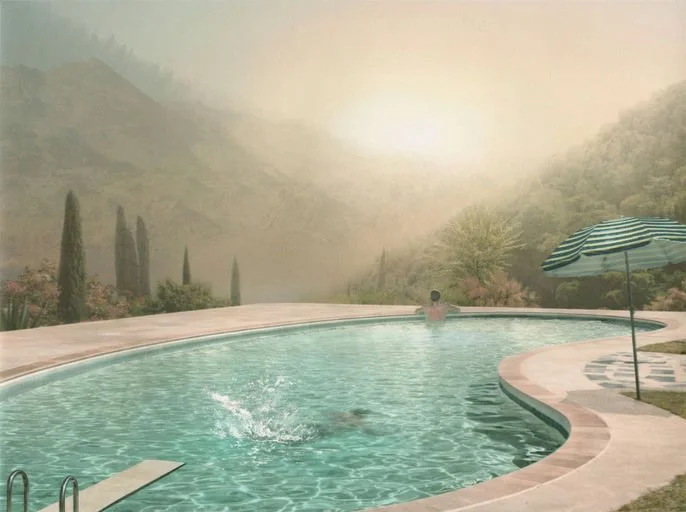
CF James | Print, 2026
CF James works across photography, printmaking and sculpture, examining the relationship between nature, memory and cultural identity. His practice considers cultivated landscapes as spaces where ecology, migration and inheritance converge, revealing how places are shaped by human intervention and inherited ways of seeing.
Booth …
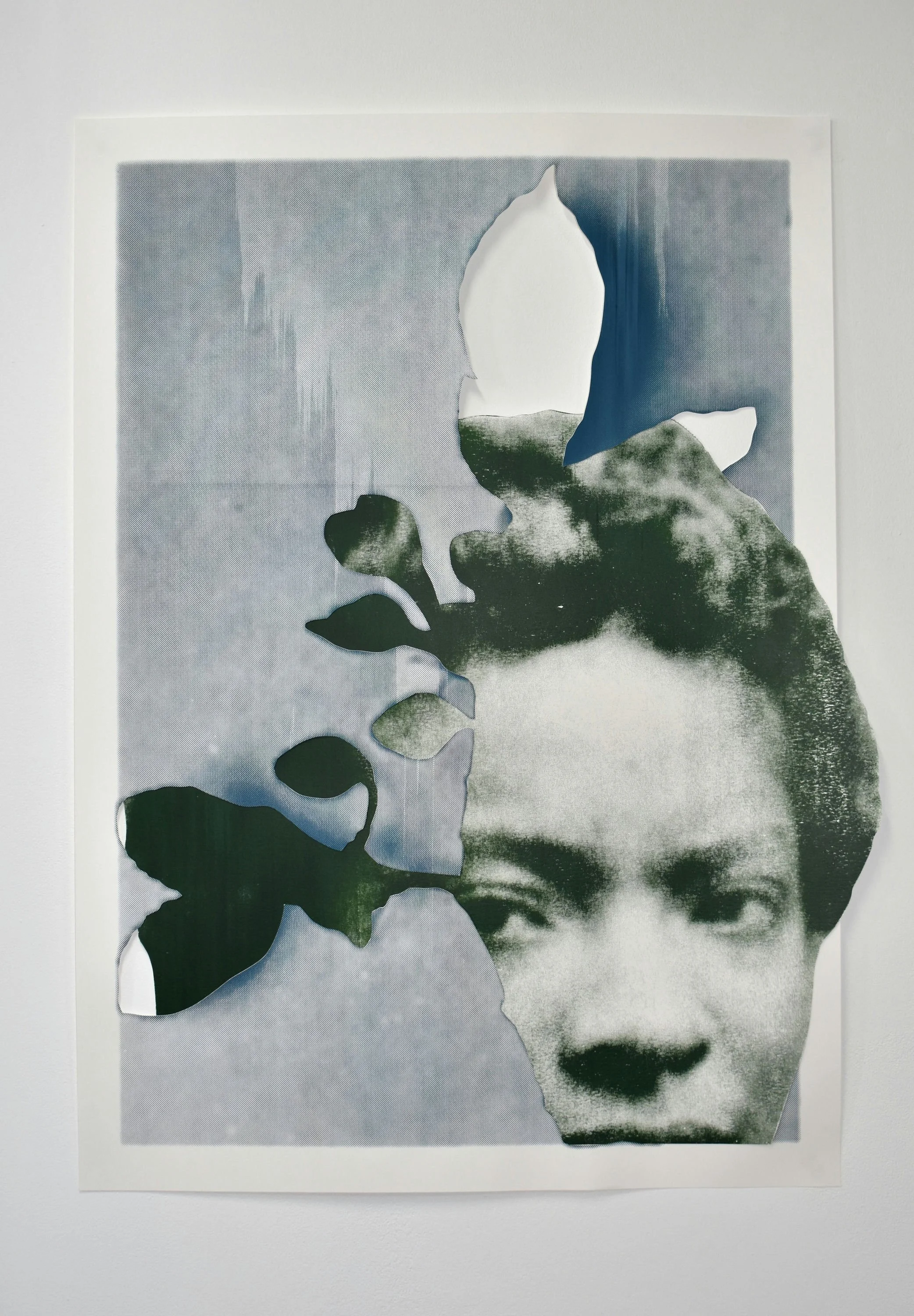
Jazz Grant | GIVE ME FEVER, 1, 2026
Collage sits at the centre of Jazz Grant’s practice, both as a process and as a way of thinking. Fragmenting images and removing them from their original contexts allows Grant to reconsider archival documents, found photographs, botanical imagery, and other visual material with historical associations. By bringing these fragments together, Grant creates new relationships between images that might otherwise remain separate. The resulting works occupy a space between recognition and uncertainty, where familiar images can acquire unfamiliar meanings. Grant’s work is shaped by an interest in the ways histories are recorded, preserved, and reconstructed. She is particularly drawn to the gaps within historical narratives: what is left out, what is misremembered, and what changes as it is passed between different forms of documentation..
Booth …
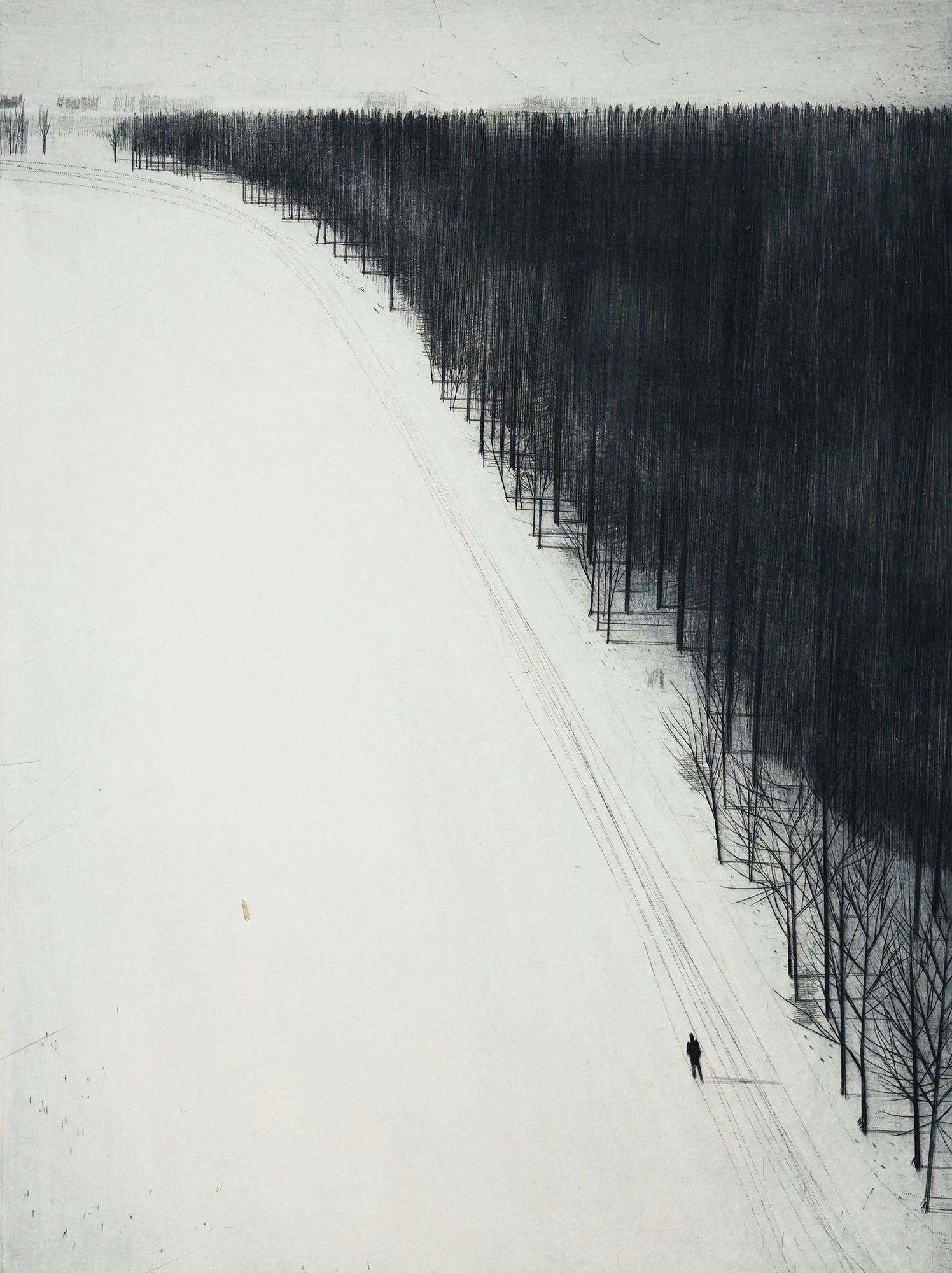
Katja Lang | Mein Schnee, 2026
Katja Lang’s works emerge from the connection between direct observation and artistic interpretation. Rather than reproducing reality, she is interested in how landscape is transformed through perception, memory, and the language of printmaking and painting. The resulting images are intended as contemplative spaces that invite viewers to slow down and reflect on the quiet beauty, fragility, and timelessness of the natural world.
Booth …
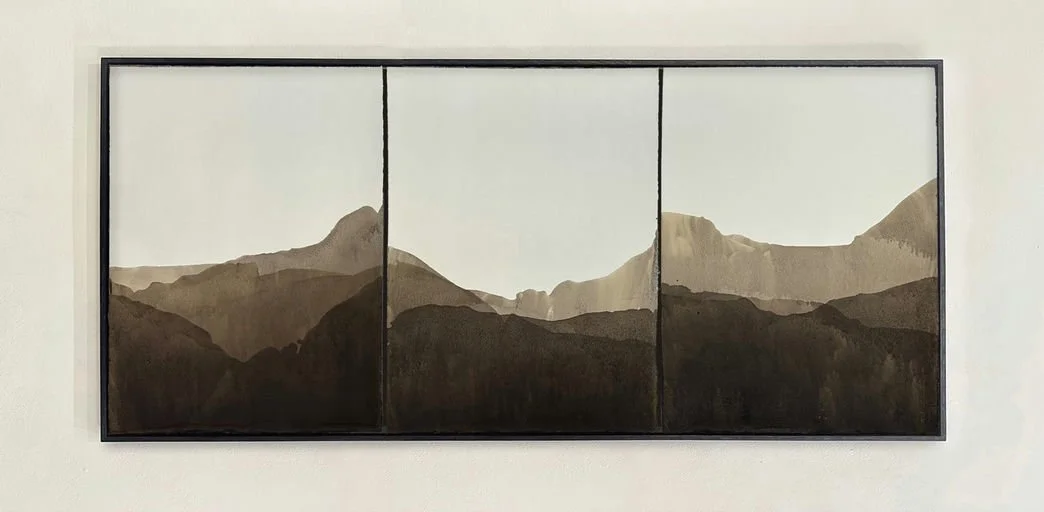
Tamsin Loxley | Land Forms, 2024
Tamsin Loxley’s work forms a diaristic land archive that traces our relationship with land and nature. Loxley reflects on how decisions become part of the landscape's memory. Work emerges through sustained attention, where creativity and land management intertwine, embedding consequence and care within making. She gathers oak galls, bone, wood, soil and plant fibres that act as both medium and record, carrying the land's memory and rhythms.
Booth …
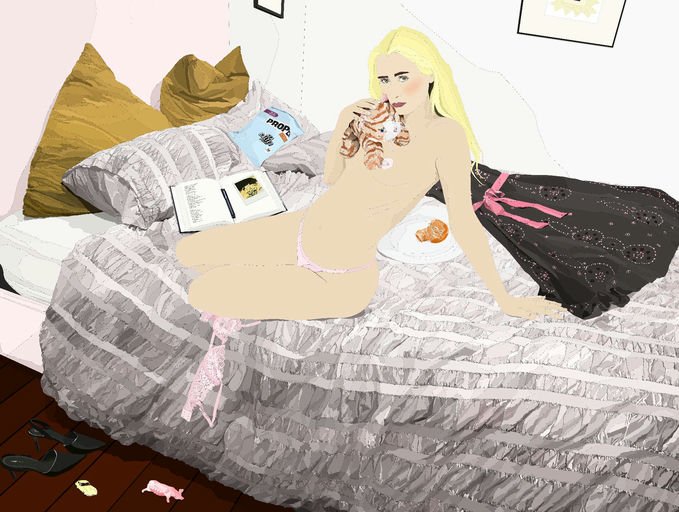
Eden Sweeney | I'm baby, 2026
Eden Sweeney is a multidisciplinary artist working across poetry, photography and digital drawing. Her practice incorporates performative elements through a recurring character, physically depicted as herself yet existing within fictional narratives. Her work combines humour, irony, discomfort and vulnerability while exploring themes of obsession, sex and the mundane. She is interested in the tension between viewers pitying the character before recognising aspects of themselves in her. The bed is a recurring motif, reflecting her OCD-related rituals surrounding cleanliness, while embodying the duality of being both a deeply private and universally familiar space associated with memory, comfort, illness, loneliness and intimacy.
Booth 19
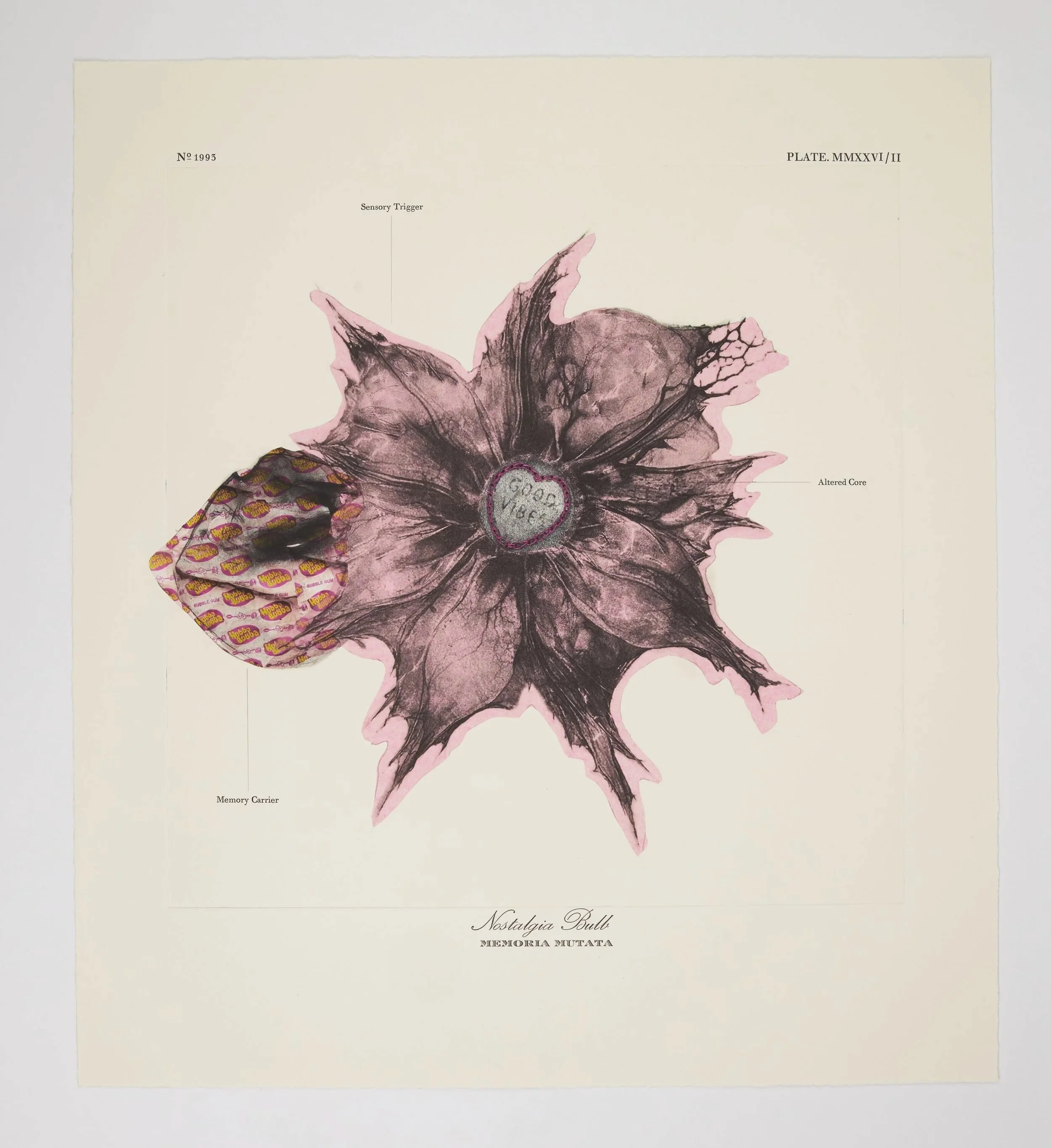
ARTIST | Nostalgia Bulb, Memoria Mutata, 2026
Laura Townsend is a London-based artist whose work explores connections between people, histories and the environments we move through, both physical and cultural. Through storytelling, playfulness and colour, she reveals unexpected perspectives on the world around us.Her recent body of work, Symptoms of the Present, creates a fictional botanical taxonomy of contemporary emotional states. While we still give flowers today, their meanings have largely disappeared, with the gesture often driven by convention rather than symbolism. She realised that many contemporary feelings, such as FOMO or climate anxiety, had no equivalent within this Victorian language. Rather than relabelling existing blooms, she created new botanical specimens to reflect the emotional landscape of contemporary life.