
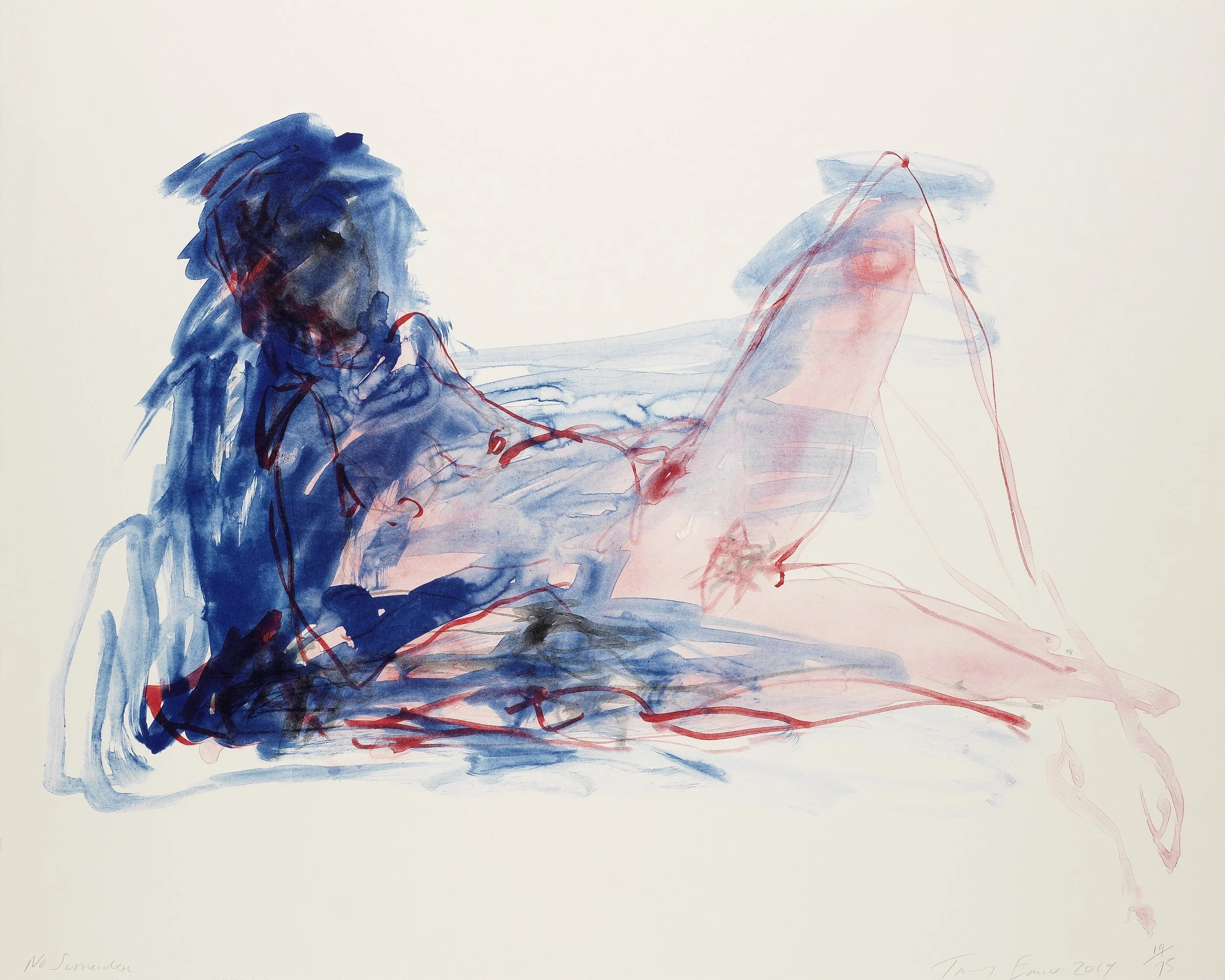
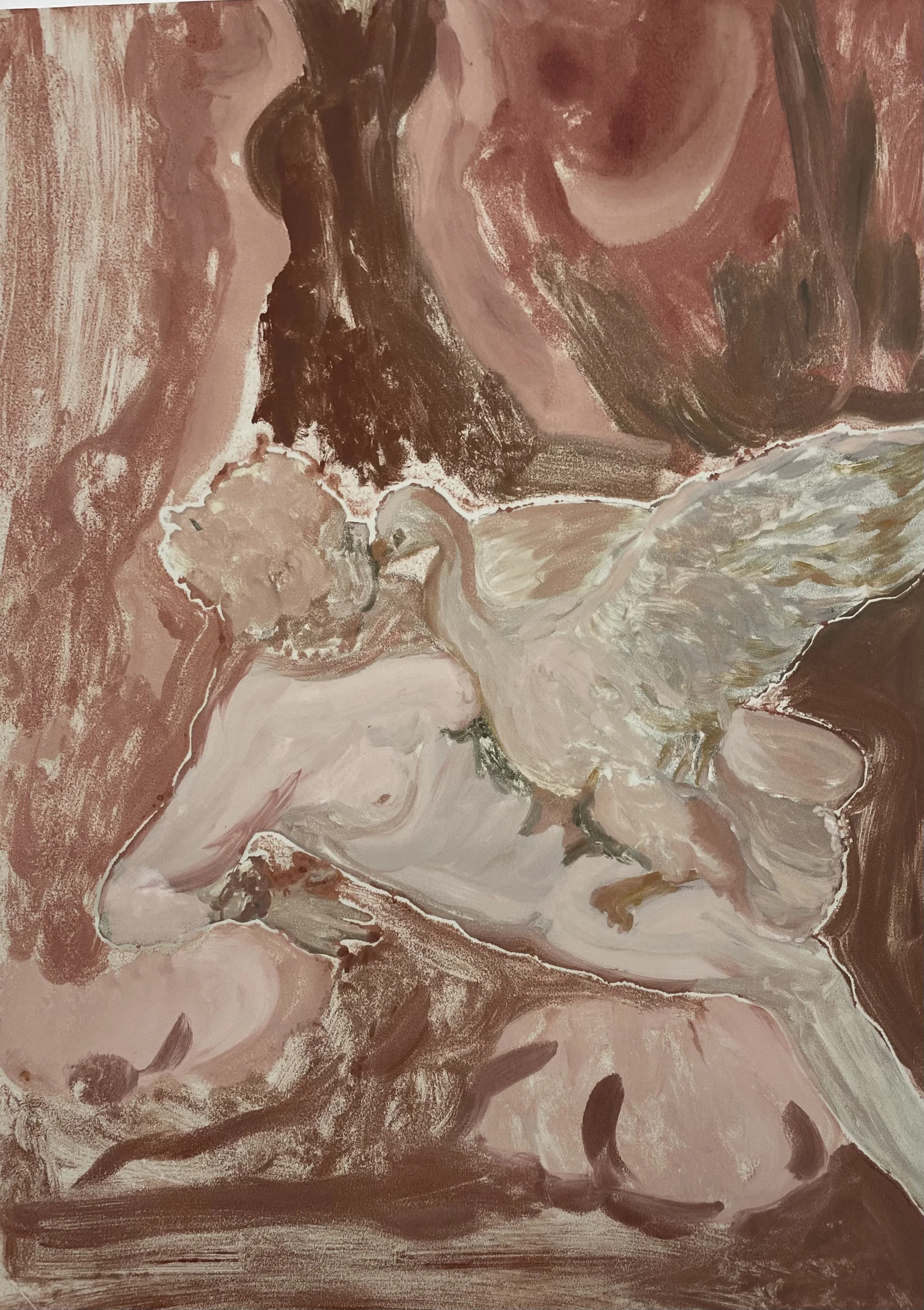
Planographic printmaking is based on a flat surface rather than a carved or incised one. Instead of working above or below the surface, the image is created through chemical or material differences that determine where ink adheres. The most widely known planographic process relies on the principle that grease and water repel each other.
Because the surface remains smooth, planographic techniques are especially responsive to drawn marks, tonal transitions, and layered colour. The resulting prints often feel fluid and immediate, preserving the gesture of the artist’s hand while allowing for consistent editioning. This category bridges traditional stone-based methods and more contemporary flat-surface approaches.

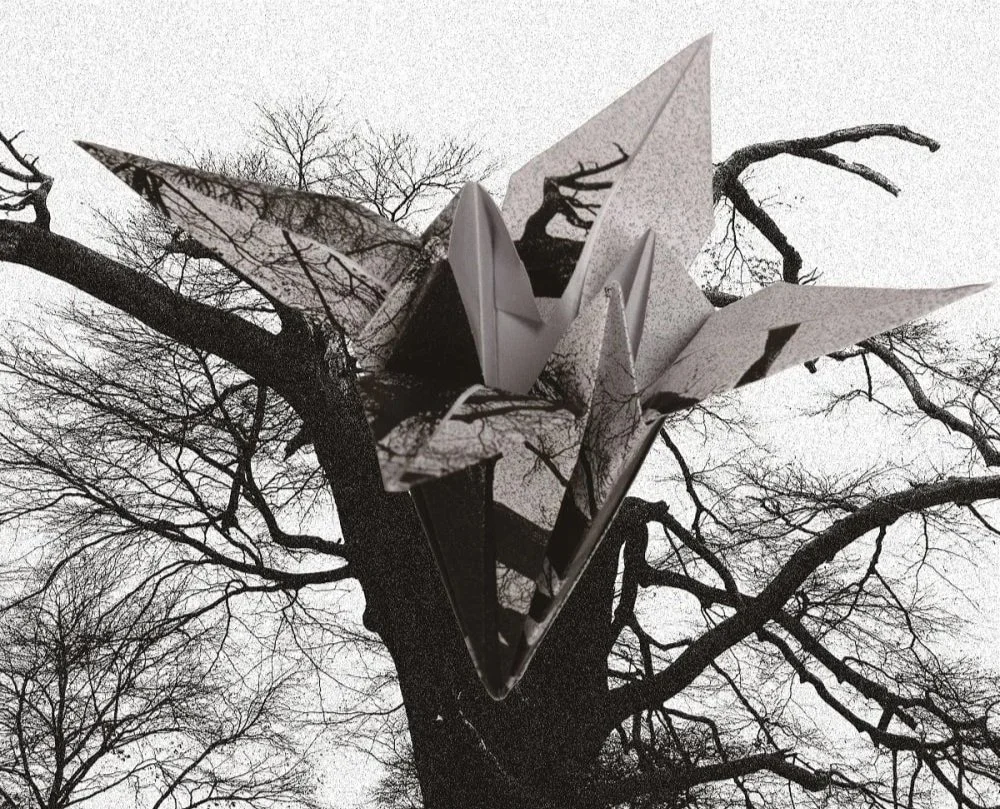

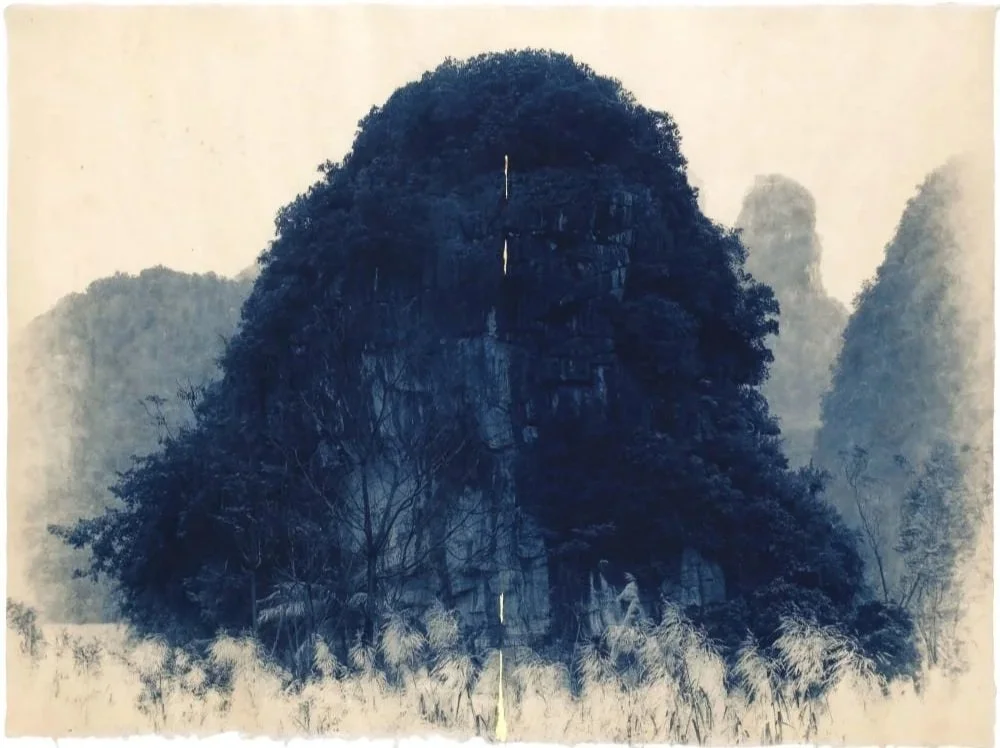
Cyanotype
Created through a light-sensitive process that produces deep blue photographic impressions.