
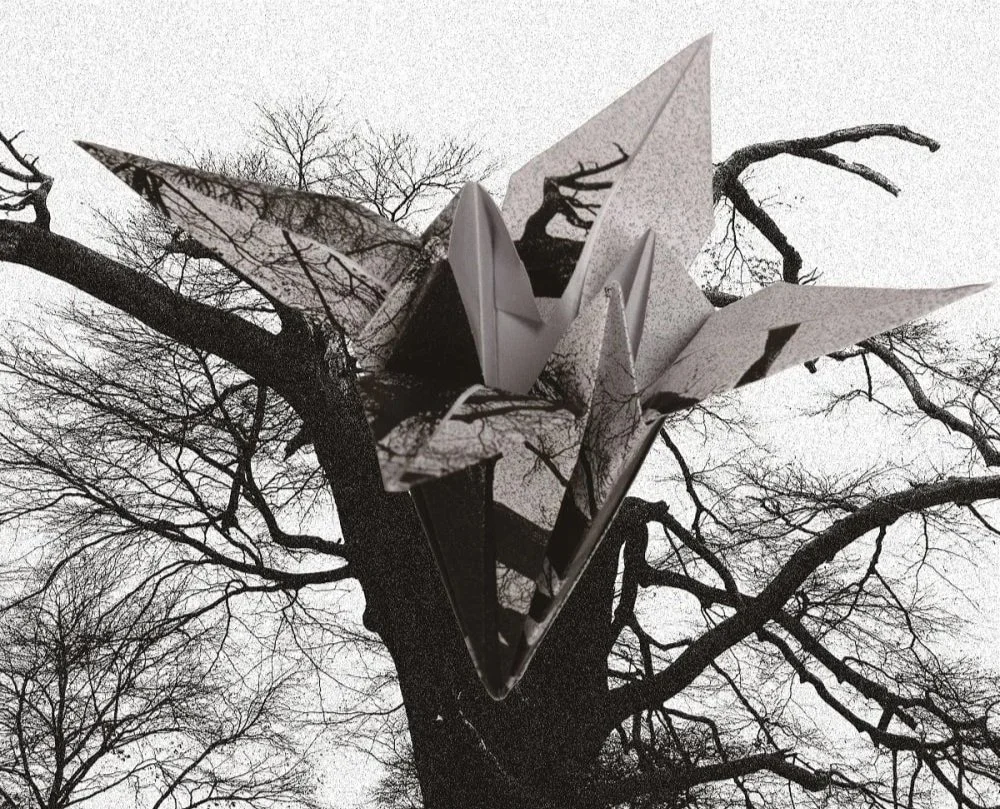
Digital
Digital printmaking is a process in which an image is created or prepared using digital technology and printed as a limited edition on paper. The artwork may originate as a digital composition, a scanned drawing, a manipulated photograph, or a hybrid of analogue and digital elements. Unlike traditional print processes, the image is not transferred from a carved or etched matrix but generated through data and output via specialised printers.
The artist controls colour, scale, resolution, and surface quality within the digital file before printing. Pigment-based or archival inks are typically used to ensure longevity and stability. Paper selection plays a crucial role in the final result, influencing texture, absorbency, and tonal depth.
Although the matrix exists in digital form rather than as a physical plate or block, the print can still be editioned in a controlled and deliberate way. Artists determine edition size, often signing and numbering each impression in the same manner as traditional printmaking practices.
Digital prints are valued for their precision, clarity, and capacity for layered imagery. They allow for complex colour relationships, photographic detail, and experimental combinations of media, expanding the boundaries of contemporary print practice while maintaining the principles of editioned work.
-
The image is created digitally or translated into digital format.
Files are prepared for high-resolution output.
Ink is printed onto paper or other materials using specialised printers.
The artist oversees or authorises the final production.
-
Precise detail and sharp resolution.
Wide tonal and colour range.
Smooth, consistent surfaces.
May combine photographic, graphic, or illustrative elements.
-
Consistency across impressions is typically high.
Edition size is declared and fixed by the artist.
Files are usually archived or controlled after completion.
-
Determined by declared edition size rather than material limitation.
Value is shaped by edition size, demand, and the artist’s practice.